Artists On Whidbey & Camano Islands

Artists have been drawn to these islands for years, attracted by the inspirational scenery and space to practice their craft.

 ByLaura Hilton
Artists have been drawn to these islands for years, attracted by the inspirational scenery and space to practice their craft.

 ByInge Morascini
120 Years of Island History Rising above the calm waters of Penn Cove in the heart of historic Coupeville, the Coupeville Wharf is one of the most iconic and enduring landmarks on Whidbey Island. Its weathered pilings and wooden frame tell the story of over a century of seafaring commerce, local agriculture, and community resilience….
 ByLaura Hilton
Updated
ByLaura Hilton
Updated
The coziness of Fall is a great time to embrace the culture of Whidbey and Camano Islands and explore new aspects of these seemingly familiar favorites.

 ByJack Penland
Updated
ByJack Penland
Updated
The Colonel’s House was the home of Fort Casey’s commanding officers. Take a look inside.
 ByLaura Hilton
Updated
ByLaura Hilton
Updated
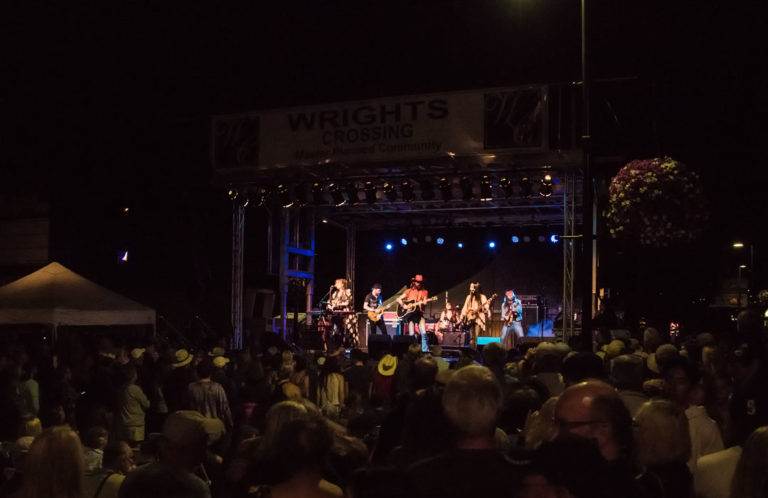
Whidbey and Camano Islands are filled with performing artists you can enjoy while visiting here.
 ByLaura Hilton
Updated
ByLaura Hilton
Updated
Art of all kinds have been in the DNA of Whidbey and Camano Islands for thousands of years.
 ByJack Penland
Updated
ByJack Penland
Updated
Why preserve the past? Because it helps us tell the stories of who we are today.
 ByLaura Hilton
Updated
ByLaura Hilton
Updated
Many of the area’s forests and beaches were saved from development by community groups and activists.
 ByLaura Hilton
Updated
ByLaura Hilton
Updated
The Island County Historical Museum explores history from the area’s Indigenous People to life in the mid-20th century.
 ByLaura Hilton
Updated
ByLaura Hilton
Updated
The Langley Whale Center offers a thoughtful look at these creatures who are our ocean-going neighbors.
 ByLaura Hilton
Updated
ByLaura Hilton
Updated
Opened in 1937, the Clyde is a classic small-town movie theatre, while the Blue Fox Drive-In is a throwback experience dating back to 1957.
 ByLaura Hilton
Updated
ByLaura Hilton
Updated
Art here is not a passive experience. There are art schools with classes year-round and pop-up workshops offered by galleries.
 ByLaura Hilton
Updated
ByLaura Hilton
Updated
Built around 1909, the store was originally a schoolhouse. In 1939, it became the area’s general store and remains so today.
 ByLaura Hilton
Updated
ByLaura Hilton
Updated
The historic Coupeville Wharf is the last of many wharves in Penn Cove. It offers shopping, a cafe, and a great view of the cove.
 ByLaura Hilton
Updated
ByLaura Hilton
Updated
The region’s maritime history stretches from when the waterways were the highways to today’s ships that move people, cars, and commerce.
 ByLaura Hilton
Updated
ByLaura Hilton
Updated
Built in 1903, the Admiralty Head Lighthouse is the second of two lighthouses built in the area and was operated for only about 20 years.
 ByLaura Hilton
Updated
ByLaura Hilton
Updated
Fort Casey is one-third of the “Triangle of Fire,” which guarded Puget Sound from invasion. It’s now a state park, conference center, and inn.
 ByLaura Hilton
Updated
ByLaura Hilton
Updated
Built in 1912 and once the largest barn on the West Coast, this building has since 1950 been primarily a roller skating rink, hence its name.