

New Year, New Air: Creative Space to Breathe on Whidbey and Camano Islands
The New Year has a way of sharpening our senses. After the noise of the holidays, what many people crave isn’t more stimulation—it’s room. Room to think clearly. Room to walk without urgency. Room to reconnect with creativity in a way that feels unforced and human.
Whidbey and Camano Islands offer that kind of reset naturally. Not through spectacle, but through scale–long bluff trails that stretch perspective, forests that quiet the nervous system, and art communities where creativity is lived—not curated for show. It’s a place where inspiration arrives gently, often when you’re not even really looking for it.
5 iconic locations perfect for reflecting, journaling, and taking in the your surroundings as the New Year progresses.

Wide-Open Landscapes That Invite Reflection and Journaling
- On Whidbey Island, Ebey’s Landing National Historical Reserve sets the tone immediately. The bluff trails unfold above uninterrupted views of water, farmland, and sky. The openness is striking—less about drama, more about clarity. It’s the kind of landscape that naturally slows your internal pace, where a pause feels earned rather than indulgent. Benches, fence lines, and quiet overlooks become natural places to sit, observe, and put thoughts to paper for what’s ahead in the New Year.
- On Camano Island, Camano Island State Park feels especially suited to reflective travel at the start of the year. Its approachable trails guide through the forest before opening onto shoreline views, creating a natural rhythm between movement and rest. In winter and early spring, the park takes on an introspective quality—less traffic and more atmosphere—making it an ideal setting for travelers who want solitude without isolation.
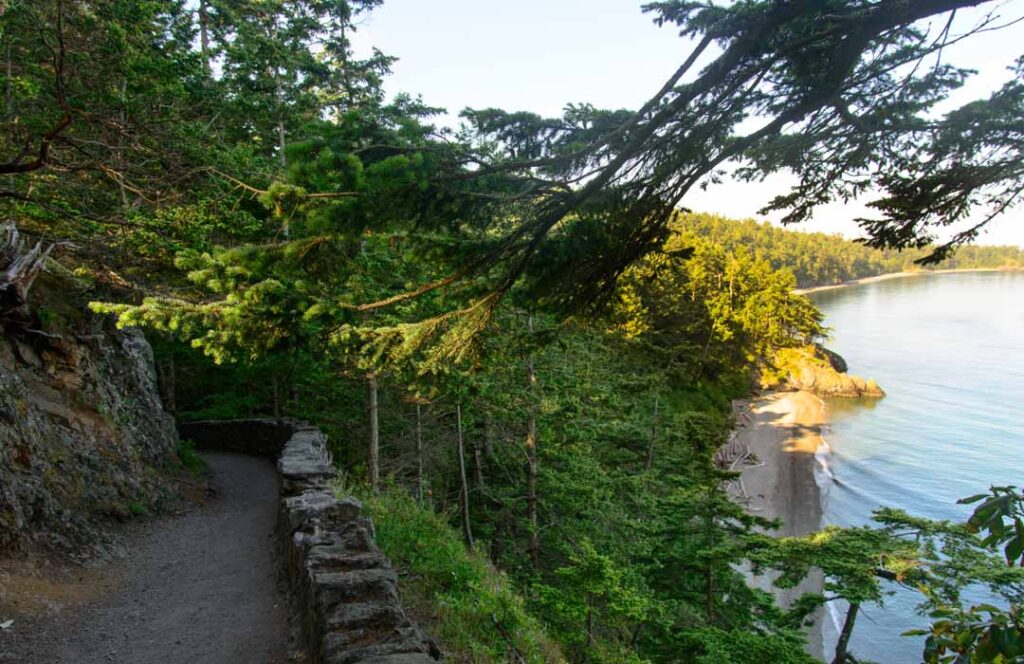
- Further north, Deception Pass State Park offers contrast. Dense evergreen forests open suddenly to rugged coastline, with shifting light filtering through old-growth trees. Even on well-known trails, there are pockets of quiet that invite lingering. Here, journaling feels less about documentation and more about response—capturing impressions shaped by salt air, moving water, and the steady rhythm of walking. If you’re lucky, you may get to see wildlife out in the water, too.
Forest Bathing, the Way It Was Always Meant to Be
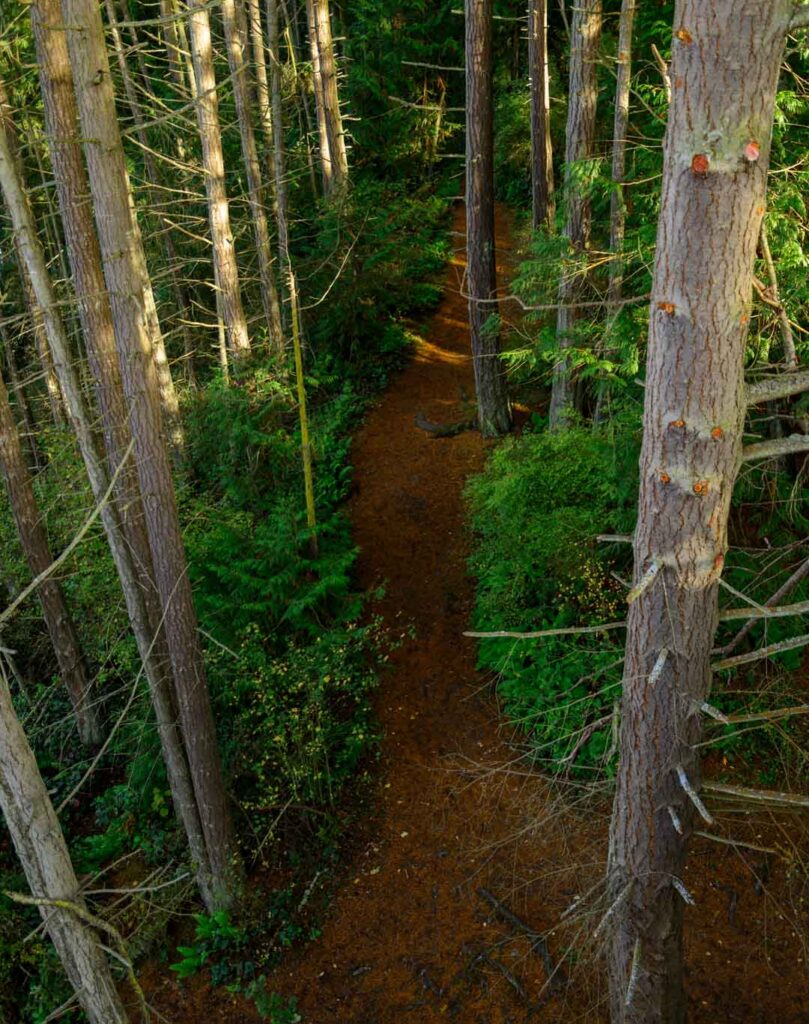
Forest bathing, or shinrin-yoku, is often described as the practice of immersing yourself in the forest atmosphere—not hiking for distance or outcome, but allowing the senses to engage fully with the environment. On Whidbey and Camano Islands, this practice doesn’t need to be named to be felt. It happens instinctively.
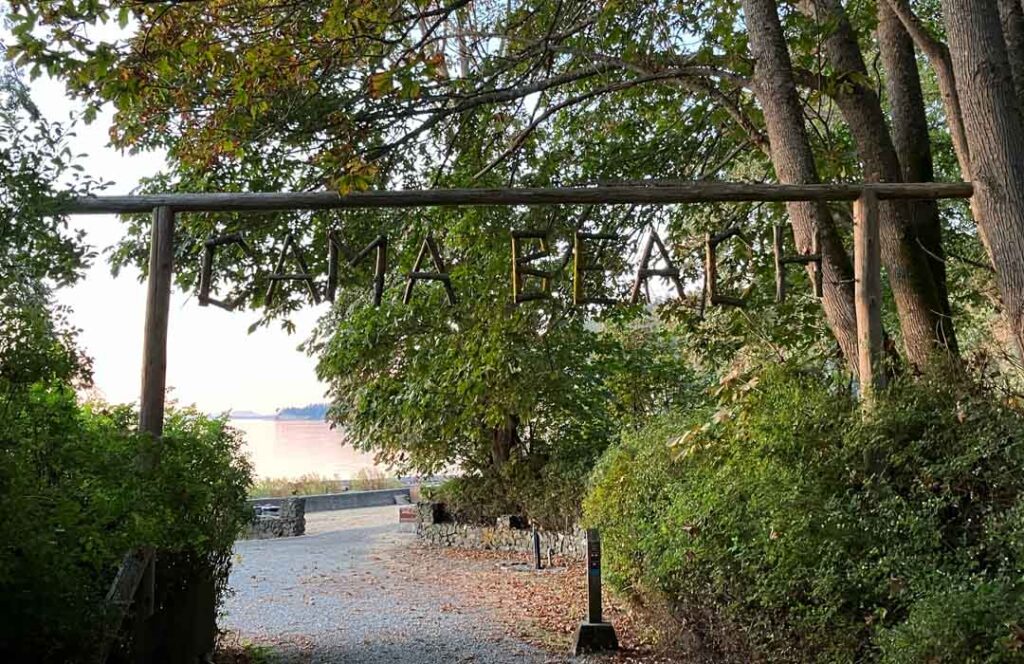
- At Cama Beach Historical State Park, the former fishing resort cabins and wooded trails create a setting that feels deliberately simple. Cedar and fir frame narrow paths, shoreline grasses move with the breeze, and the soundscape shifts gently between wind, water, and the birds chirping. The experience is less about reaching a destination and more about settling into the moment, taking in the surroundings.
These forests have a way of lowering the volume—mentally and physically. Breathing slows and thoughts stretch out. For many visitors, this is where journaling feels most natural: not as a task, but as a quiet extension of being present. Words arrive differently here, shaped by stillness rather than urgency.
Where Art and Nature Share the Same Space
- One of Whidbey Island’s most unexpected creative environments is Price Sculpture Forest. Spread across 16 acres of forested land, the outdoor sculpture park integrates both large-scale and intimate works directly into the landscape. Art appears between trees, along paths, and in clearings—encountered organically rather than announced.
The experience feels exploratory rather than instructional. There’s no prescribed route, no pressure to interpret. Visitors move through the forest at their own rhythm, absorbing form, material, and motion as part of the natural setting. It’s a space that encourages creative thought simply by allowing art and nature to coexist without competition.
A New Year Defined by Space, Not Noise
Whidbey and Camano Islands don’t promise transformation. What they offer is quieter—and often more lasting–space to think clearly, environments that support creative energy, and landscapes that make reflection feel inevitable rather than forced.
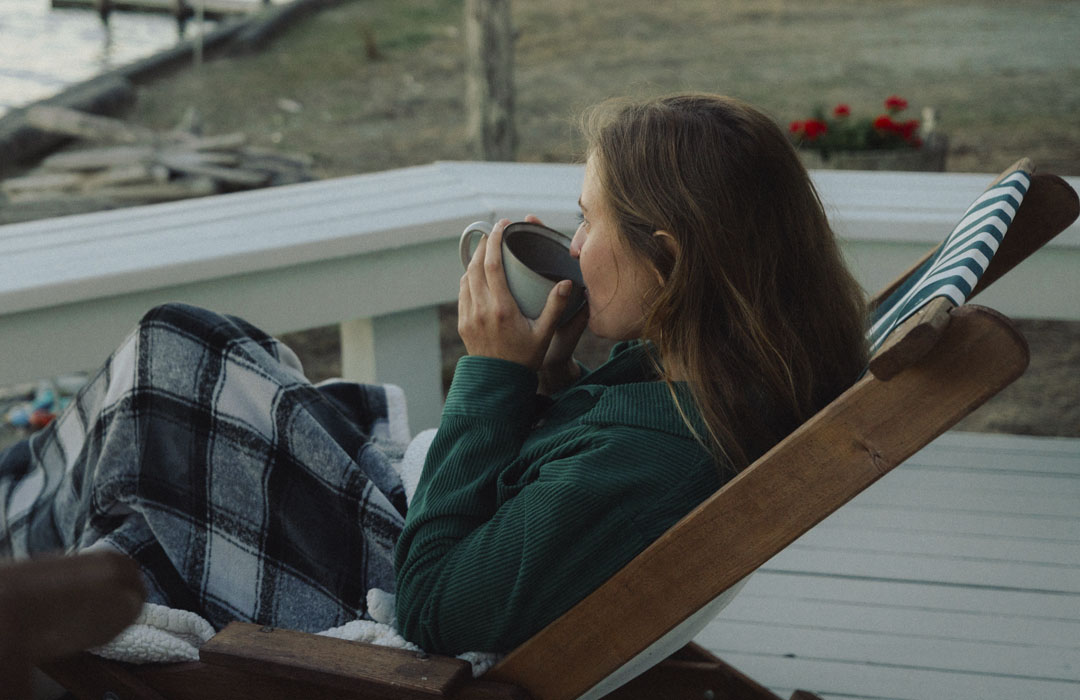
For travelers entering the New Year seeking inspiration without pressure, these islands provide something increasingly rare—a place where journaling feels intuitive, creativity doesn’t demand performance, and rest doesn’t require justification.